Obsidian is a naturally occurring volcanic glass formed when lava cools rapidly, typically appearing black with a smooth, glass-like surface and no visible crystal structure.
It forms during rapid cooling of silica-rich lava and has been used historically for cutting tools and blades due to its ability to fracture into extremely sharp edges.
Obsidian is a naturally occurring volcanic glass formed when lava cools rapidly, typically appearing black with a smooth, glass-like surface and no visible crystal structure.
It forms during rapid cooling of silica-rich lava and has been used historically for cutting tools and blades due to its ability to fracture into extremely sharp edges.
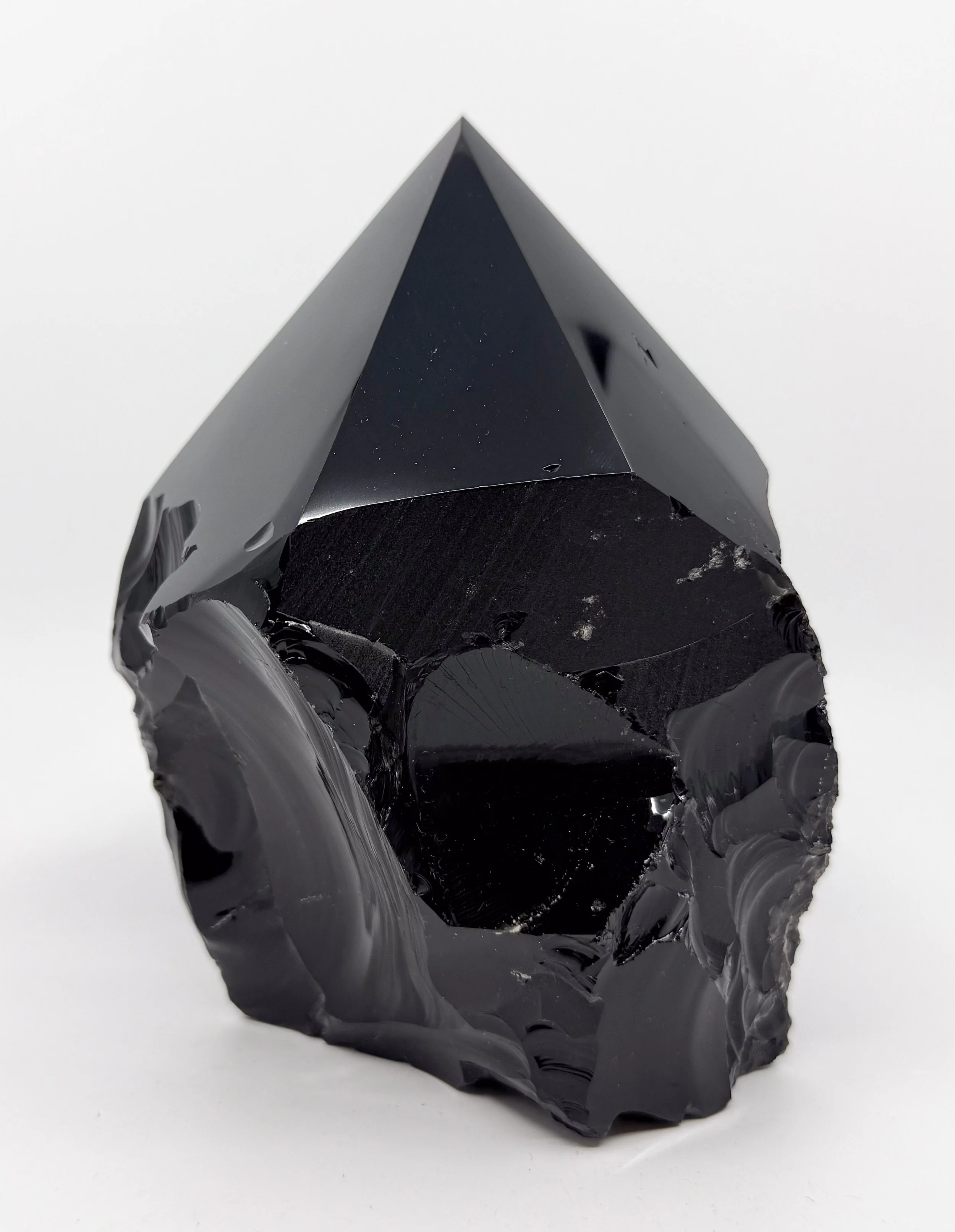 Image 1 of 6
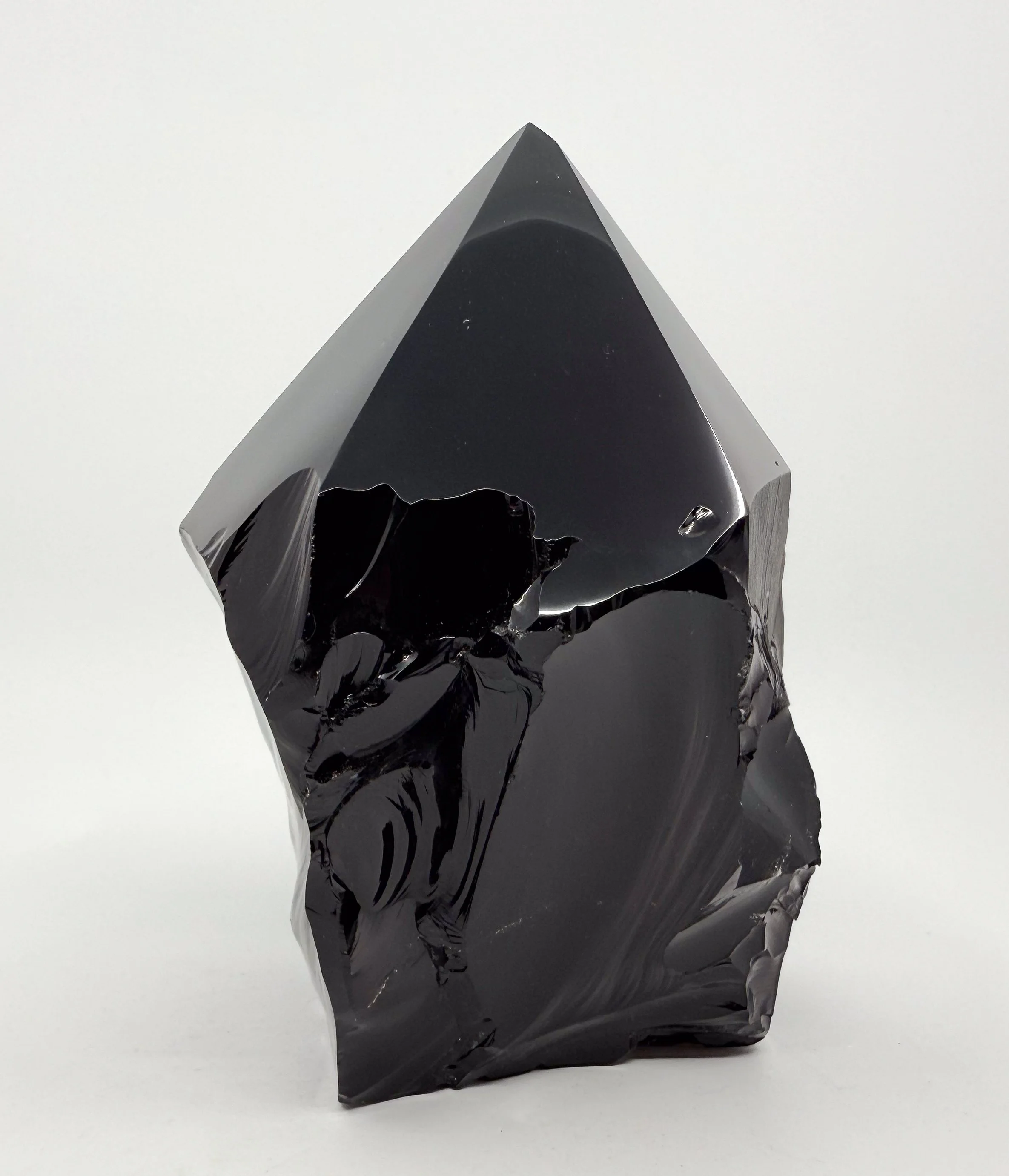 Image 2 of 6
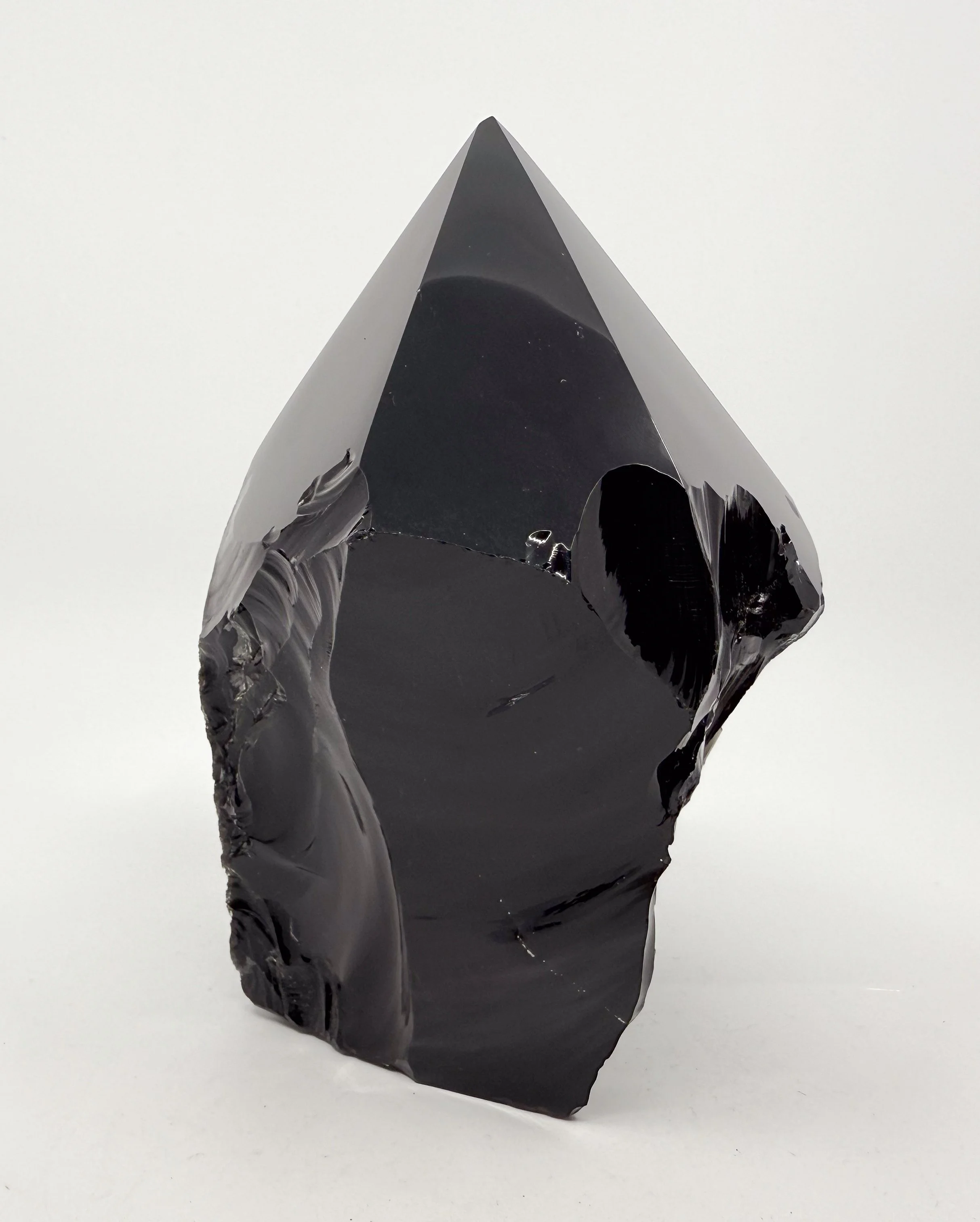 Image 3 of 6
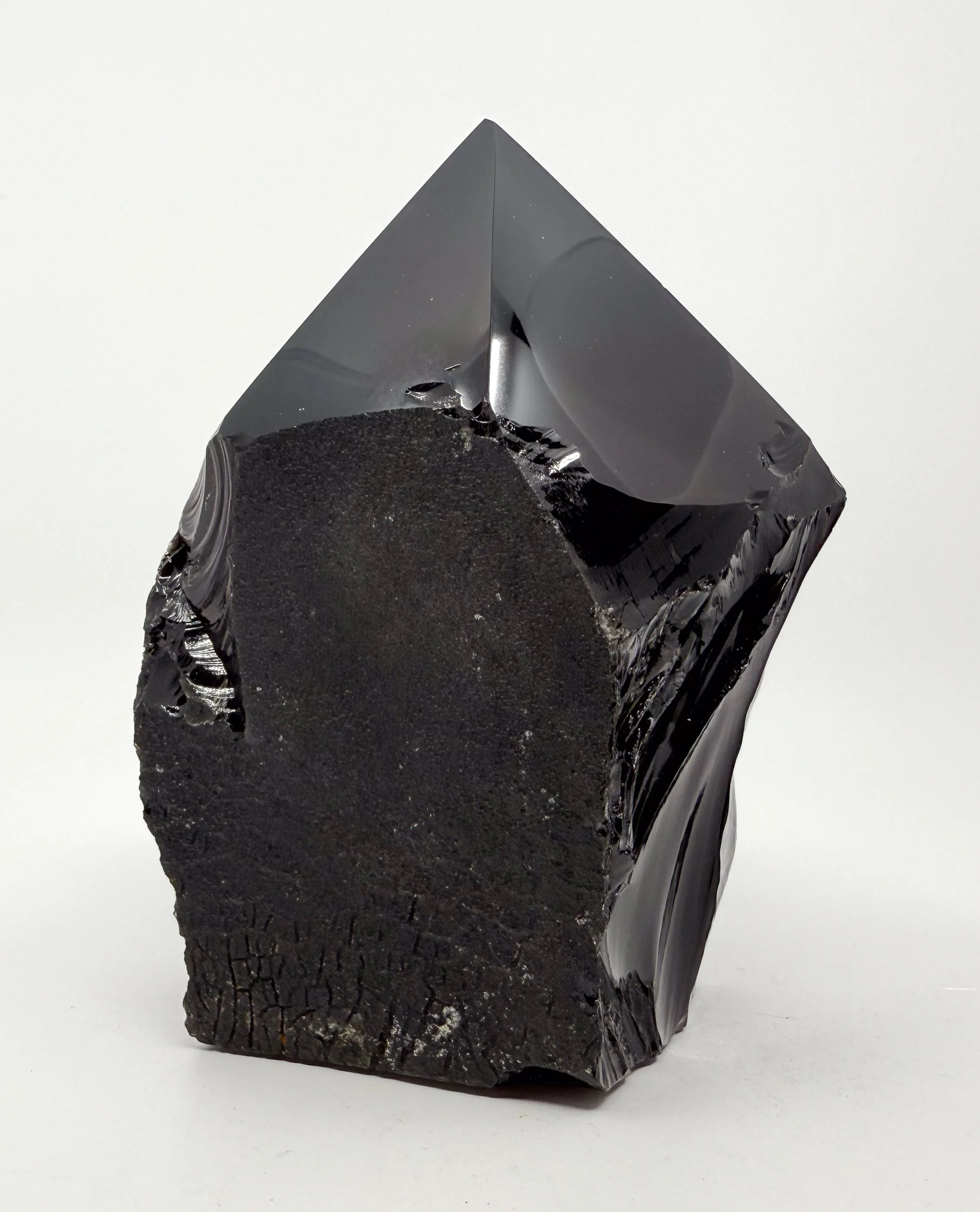 Image 4 of 6
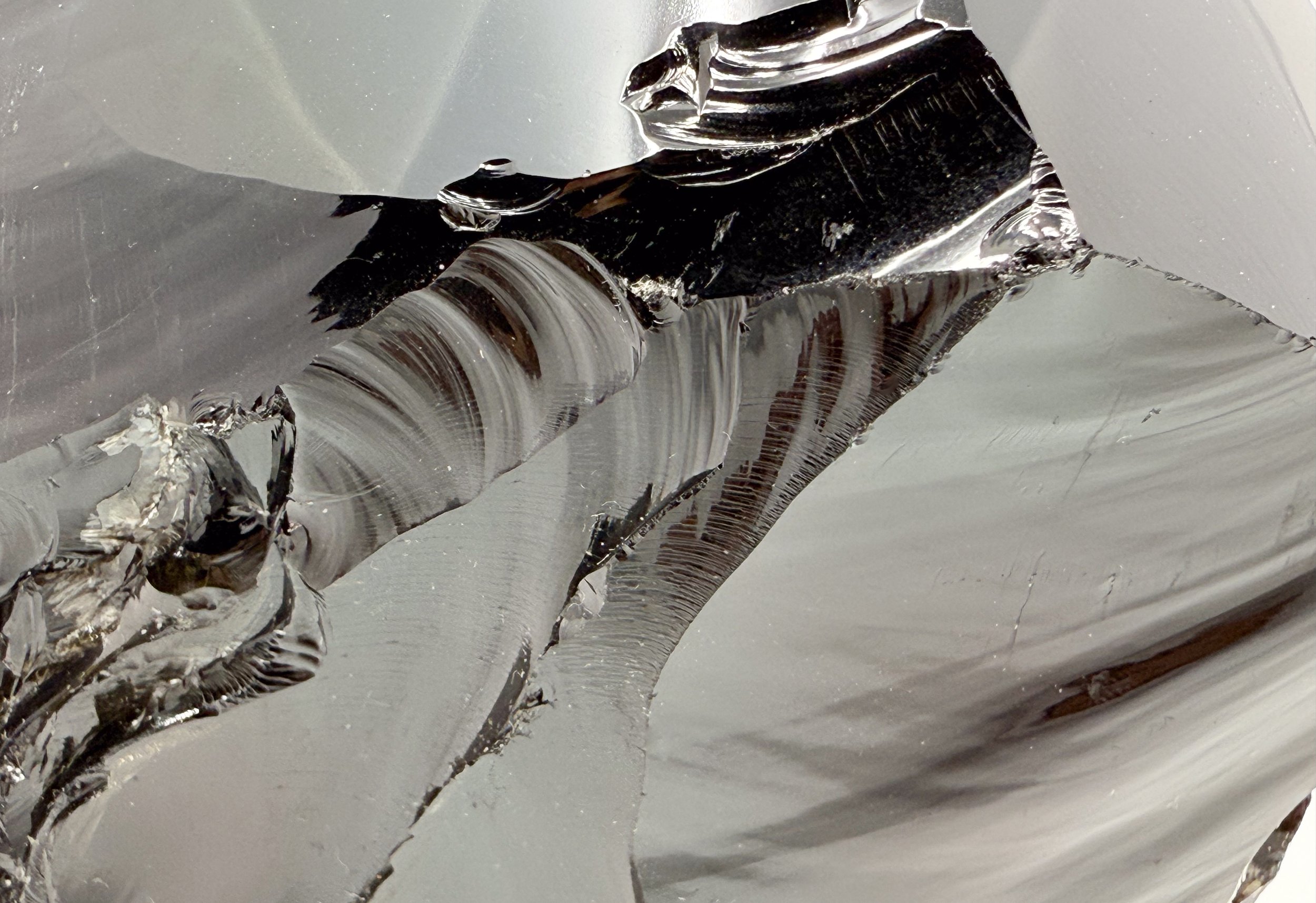 Image 5 of 6
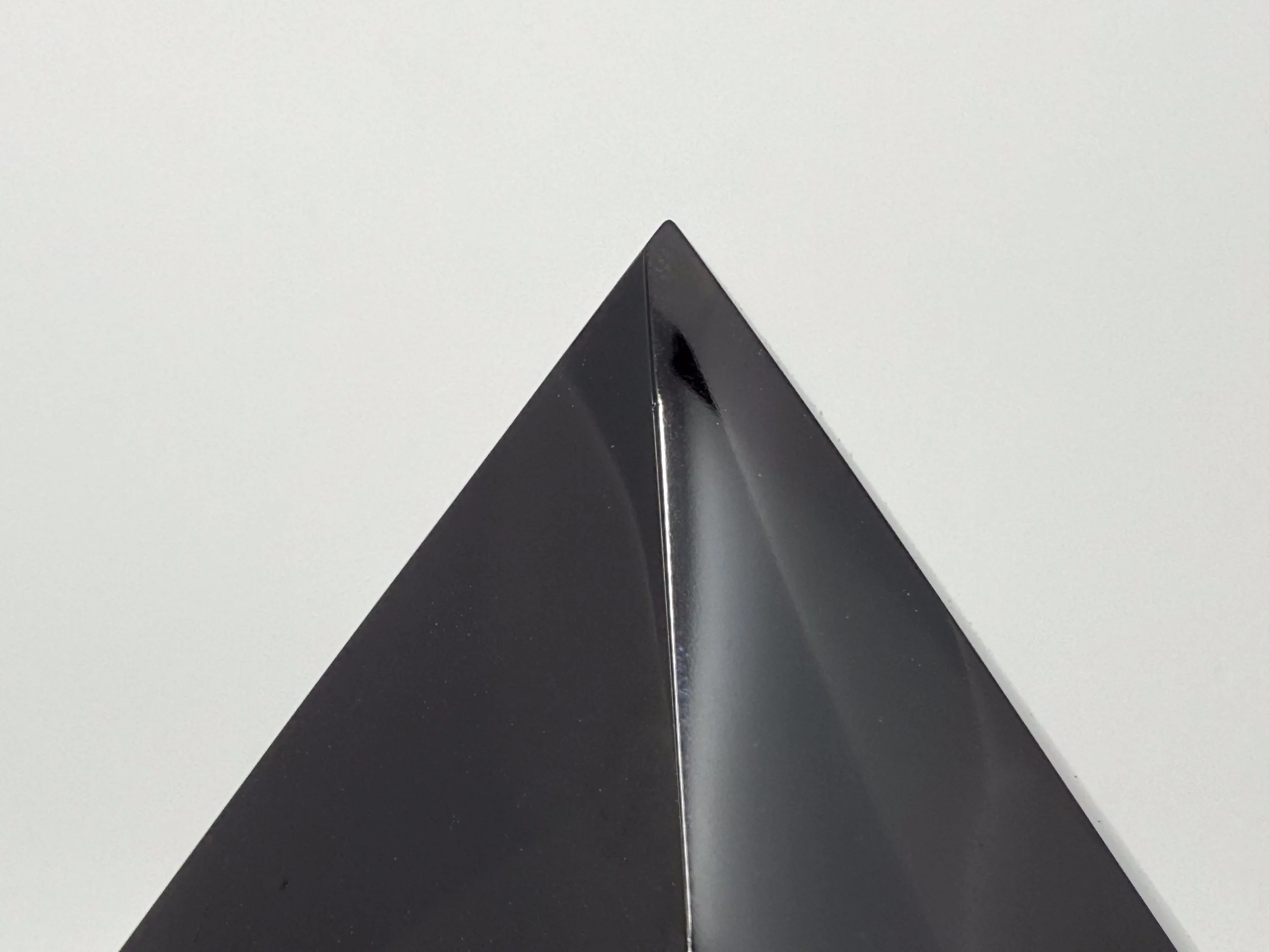 Image 6 of 6